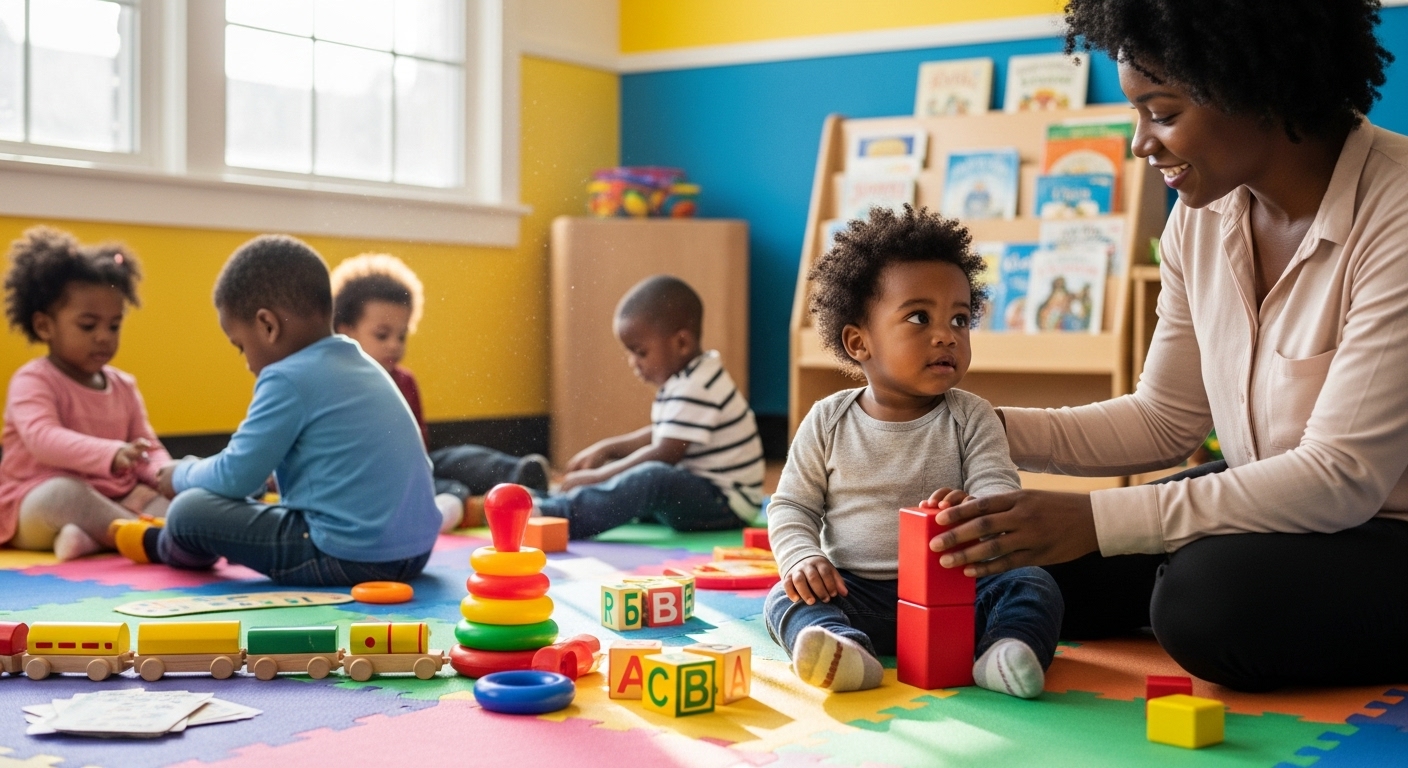
Creativity is far more than artistic talent – it's a fundamental cognitive ability that empowers children to solve problems, think innovatively, and adapt to new situations. In our rapidly changing world, creative thinking has become one of the most valuable skills we can nurture in young children.
Why Creativity Matters
Creative thinking enables children to approach challenges from multiple angles, generate unique solutions, and think independently. It builds resilience, as creative children are better equipped to find alternative paths when their first attempts don't succeed.
Research shows that creativity in early childhood correlates with academic achievement, career success, and overall life satisfaction. Children who think creatively become adults who innovate, lead, and contribute meaningfully to society.
Understanding Creative Development
Creativity isn't something children either have or don't have – it's a skill that develops through experience and encouragement. Every child is born with creative potential; our role is to nurture it rather than stifle it.
Young children are naturally creative. They see possibilities where adults see limitations. They experiment fearlessly and make unexpected connections. Our challenge is to preserve and enhance this innate creativity as they grow.
Provide Open-Ended Materials
The best toys and materials for fostering creativity are those that can be used in multiple ways without predetermined outcomes:
- Building blocks: Can become towers, roads, animals, or abstract sculptures
- Art supplies: Paint, clay, crayons, and collage materials invite unlimited expression
- Natural materials: Sticks, stones, leaves, and shells inspire creative exploration
- Fabric and dress-up clothes: Transform children into different characters and roles
- Cardboard boxes: Perhaps the most versatile toy ever invented
- Musical instruments: Encourage creative sound-making and expression
Limit single-purpose toys that only work one way. While they have their place, they don't challenge children to think creatively or solve problems.
Encourage Process Over Product
One of the most important mindset shifts parents can make is focusing on the creative process rather than the end result. When we praise the final product ("What a beautiful picture!"), we inadvertently teach children that the goal is to create something that pleases adults.
Instead, comment on their process: "I noticed you mixed red and blue to make purple" or "You spent a long time arranging those blocks." Ask open-ended questions: "Tell me about what you're making" or "How did you decide to do it that way?"
This approach teaches children that their ideas, experimentation, and problem-solving matter more than adult approval.
Create Time and Space for Creativity
Creativity needs both time and space to flourish. Children need unstructured time when they're not rushing from one activity to another, when they can follow their interests and ideas wherever they lead.
Designate creative spaces in your home where it's okay to make a mess, where materials are accessible, and where projects can be left out to continue later. This might be a corner of a room, a table, or even a portable bin that can be pulled out.
Embrace Boredom
In our entertainment-saturated world, boredom has become rare – but it's actually a powerful catalyst for creativity. When children complain they're bored, resist immediately providing entertainment. Instead, encourage them to use their imagination to create their own fun.
Some of the most creative play happens when children have to invent their own entertainment.
Model Creative Thinking
Let your children see you thinking creatively. When you encounter a problem, talk through your brainstorming process out loud: "Hmm, this recipe calls for an ingredient we don't have. What could we use instead?"
Share your own creative projects and interests, whether it's cooking, gardening, building, or crafting. Your enthusiasm for creative pursuits is contagious.
Welcome Mess and Mistakes
Creativity is messy – both literally and figuratively. Children need permission to experiment without fear of making mistakes or creating chaos.
Set reasonable boundaries ("Paint stays on the paper" or "Play dough stays at the table"), but within those boundaries, let children explore freely. Mistakes are learning opportunities, not failures.
Encourage Diverse Experiences
Creativity draws on a rich bank of experiences. Expose your child to:
- Nature walks and outdoor exploration
- Museums and cultural experiences
- Music and movement
- Different cuisines and cooking experiences
- Books from various genres and cultures
- Meeting people from diverse backgrounds
These experiences provide raw material for creative thinking and making unique connections.
Ask Creative Questions
Instead of questions with single right answers, ask questions that invite creative thinking:
- "What else could we use this for?"
- "What would happen if...?"
- "How many different ways can you think of to...?"
- "What if animals could talk? What would they say?"
Limit Screen Time
While some screen time can be educational and entertaining, passive consumption of digital content doesn't build creative thinking. Balance screen time with plenty of opportunities for active, creative play.
Conclusion
Fostering creativity isn't about enrolling children in expensive classes or buying special materials. It's about providing time, space, materials, and most importantly, an environment where creative thinking is valued and encouraged.
When we nurture creativity in young children, we equip them with the thinking skills they'll need to navigate an unpredictable future with confidence and innovation.
At Sandton Prep, creativity is woven into everything we do. From our art studio to our outdoor classroom, from music time to problem-solving challenges, we provide countless opportunities for children to think, create, and innovate.